Community Organizing | Freire Institute
Paulo Freire’s philosophy of education has had a profound impact on people throughout the world working for social change. His work has been applied not only to formal educational settings but to many diverse social movements.
- Status: enrollment_closed
- Price: GBP 250.00
Community Organizing
Mobilizing communities for change
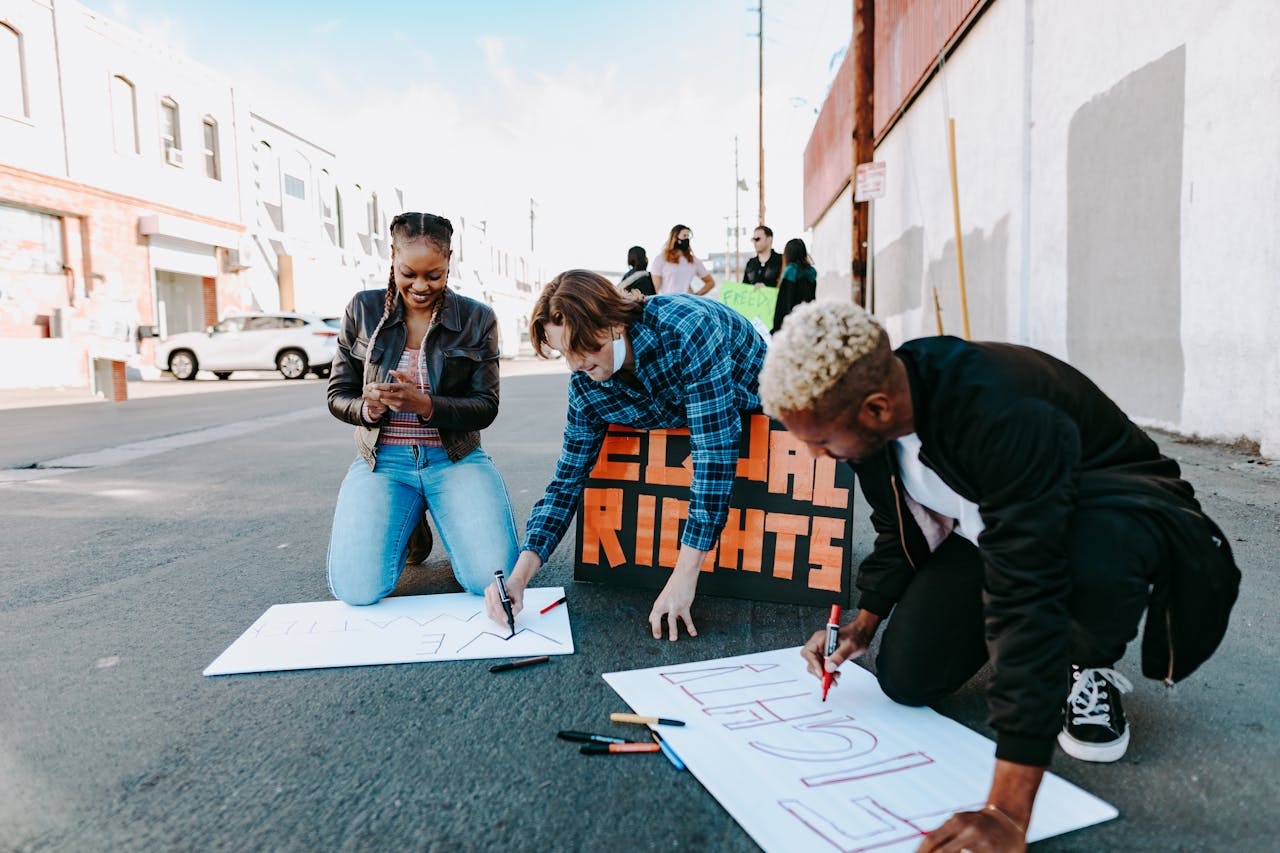
Equipping community practititoners with tools for organizing and mobilizing communities
Community organizing begins from a simple but demanding proposition: meaningful social change rarely occurs because those with power are persuaded by good arguments alone. Communities need relationships, organization, leadership, strategy, and sufficient collective power to influence decisions and reshape the conditions affecting their lives. This participatory workshop introduces community organizing as both a practical discipline and an educational process. Drawing particularly upon Paulo Freire’s philosophy of dialogue, critical consciousness, and praxis, together with the organizing tradition associated with Saul Alinsky and subsequent approaches to broad-based and grassroots...
How do people move from sharing a problem to building enough organized power to change the conditions producing it?
The workshop is distinct from approaches centred primarily upon consultation or community engagement. Although listening and participation remain essential, the purpose of organizing is not simply to improve communication between communities and institutions. It is to enable people to develop relationships, identify shared interests, build organization, analyse power, develop leaders, choose strategic targets, take collective action, and negotiate from a stronger position . Participants will explore practical methods for one-to-one relational meetings, issue identification, power mapping, leadership development, organizational structure, alliance-building, strategy, tactics, negotiation,...
Topics
- Building your base: Techniques for listening to community concerns, identifying shared issues, forging strong relationships and alliances, and effectively engaging and retaining supporters for your cause.
- Structuring for power: Exploring different models for decision-making, designing effective and democratic organizational structures, and developing accountable forms of leadership.
- Navigating group dynamics: Strategies for building healthy group dynamics, navigating conflict constructively, and utilizing dialogue and negotiation effectively.
- Strategic planning and action: Developing clear strategies, realistic action plans, mapping resources effectively, and designing creative, impactful tactics.
- Learning and sustaining the effort: Embedding a process of action-reflection to learn continuously from experience, training others within your group, and renewing energy and enthusiasm for the long run.
What you learn
- Analyse the distinctive purposes of community organizing and the relationships between lived experience, self-interest, shared issues, relationships, leadership, organization and collective power.
- Apply relational, stakeholder and power-analysis approaches to a community issue, identifying decision-makers, interests, constituencies, allies, sources of leverage and organizational capacity.
- Critically compare and evaluate approaches to leadership, power, conflict, strategy, tactics and negotiation, including tensions between selected Freirean and Alinskyan perspectives and their ethical and practical implications.
- Develop and justify a contextually grounded organizing strategy that integrates relationship-building, leadership development, power analysis, collective action, democratic accountability and structured reflection.
Availability
- For organizations: This workshop is available in virtual, in-person, or hybrid formats to meet diverse organizational needs and preferences. We can tailor the focus to your specific institutional context.
- For individuals: We will run occasional virtual workshops, and you are encouraged to join the notification list to be informed of upcoming dates.
Registration Options
Current ways to join this course
Email Signup
Enter your email address below to be added to the notification list
Registration Options
Duration
You will continue to be registered in the course area for 3 months following the workshop.
Course Certificate
You will receive a certificate upon successful completion of the course.
Join our community of practice
Sign up as a member today and get your first year's membership free!